+44
2039 362224
+44
2039 362224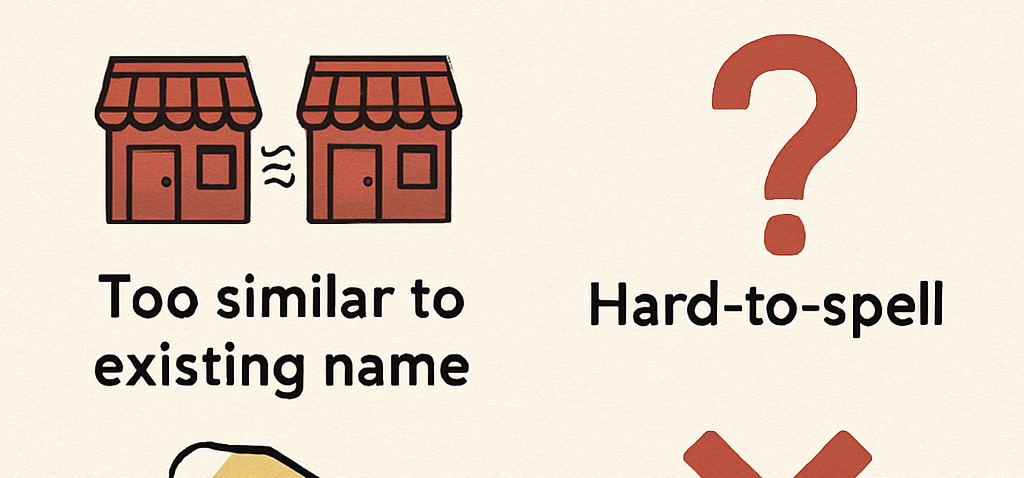
Selecting a DBA name is a crucial step for any business.
It allows you to operate under a name different from your legal business name. However, many entrepreneurs make mistakes during this process. These errors can lead to legal issues and branding problems.
Understanding common pitfalls can save you time and money. It can also help you avoid unnecessary complications. This guide highlights the most frequent mistakes made when choosing a DBA name. It also summarizes Common Mistakes When Selecting a DBA Name and shows where simple steps like how to register a DBA, how to register a DBA under an LLC, or how to register a DBA online fit into your plan and how they relate to DBA registration.
We'll also provide tips on how to register, set up, and manage your DBA effectively. Whether you're a small business owner or an entrepreneur, this information is vital. It will help you make informed decisions and set your business up for success. If you're just starting, you may be wondering: what is a business DBA name? What does 'doing business as' mean? Or what is the company DBA meaning on forms? The sections below address these essentials.
What Is a DBA Name and Why Does It Matter?
A DBA, or 'Doing Business As,' is a trade name. It lets businesses operate under a different name than their legal one. Put simply, when someone asks, 'What is a business DBA name?' the answer is that it's the public-facing trade name your organization lists 'as doing business' on local or state paperwork. This flexibility is beneficial for branding and marketing.
A DBA is important for several reasons:
It allows businesses to create a unique brand identity.
It's necessary to open a business bank account under a different name. Many banks refer to this as a "doing business as" account and may request a DBA certificate or an assigned DBA number.
It offers anonymity for business owners, separating personal and business identities.
However, a DBA does not change the legal entity status of the business. It's merely a formal step to notify the public of the name change. A DBA is not incorporated (sometimes informally called 'DBA incorporation'), and it does not create a separate company on its own. In many jurisdictions, completing a doing-business-as application results in a DBA certificate and, in some cases, a DBA number you can use when opening accounts.

Choosing the right DBA name is crucial for legal and business purposes. It helps protect your brand and ensures compliance with state laws. As such, understanding what a DBA is and its importance is vital for business owners.
Mistake #1: Not Checking Name Availability
One common error is failing to check if your chosen DBA name is available. This oversight can lead to rejection of your DBA application. Also, using a name already taken could result in legal disputes. Skipping these checks can also derail your DBA filing and delay your overall DBA registration timeline.
Before registering, conduct a thorough search. This includes:
Checking the local business registry
Searching the internet for similar names
Ensuring it's not trademarked
Neglecting these checks could mean wasted time and money. If the name is unavailable, you'll need to return to the drawing board.
Moreover, some states have online databases for quick searches. Many even allow you to register dba online; in some jurisdictions you can effectively get dba online after e-filing and fee payment. Utilizing these resources can streamline the process. Securing a unique and legal name from the start saves hassles down the road.
Mistake #2: Choosing a Name Too Similar to Existing Businesses
Opting for a DBA name resembling an existing business can cause confusion. Customers might mistake your enterprise for another, leading to lost sales or brand dilution.
When selecting a name, aim for distinctiveness. This reduces the risk of infringement issues and safeguards your brand identity. A similar name could also lead to costly legal challenges.
Consider the following when selecting a unique name:
Avoid names that sound or look alike.
Ensure it clearly reflects your business's offerings.
Conduct market research for name differentiation.

Visual and phonetic uniqueness can help in distinguishing your business. Strive for originality to ensure your DBA name stands out in the marketplace.
Mistake #3: Ignoring Legal and Trademark Issues
Neglecting legal and trademark issues can lead to significant setbacks. A DBA name does not confer trademark rights, which can expose you to infringement risks.
It's crucial to conduct a thorough trademark search. This ensures your chosen name doesn't violate another's rights. A proactive approach can prevent costly legal battles.
When addressing legal and trademark considerations, keep these tips in mind:
Consult with a legal professional for guidance.
Ensure the name complies with state and federal laws.
Consider registering a trademark for stronger protection.
Ignoring these aspects can hinder your business operations. Taking these steps early can save both time and resources. They help ensure your DBA operates within legal boundaries, preserving your brand integrity.
Mistake #4: Failing to Align the DBA Name With Your Brand
Your DBA name should reflect your brand identity. A mismatch between the name and brand can confuse customers. It may also dilute your brand message, leading to a weakened market presence.
A coherent branding strategy includes a fitting DBA name. It should encapsulate your business values and aspirations. Consistency across all platforms strengthens brand recognition.
To align your DBA name with your brand, consider these strategies:
Reflect your business mission in the name.
Ensure the name resonates with your target audience.
Use a name that's easy to spell and recall.
By aligning your DBA with your brand, you create a unified image. This aids in establishing trust and credibility in the marketplace.
Mistake #5: Overlooking State and Local Registration Requirements
Understanding local DBA registration requirements is crucial. Regulations can differ significantly between states and even counties. Missing details might result in delays or denied applications.
The process typically involves filing a doing-business-as application. Ignoring specific requirements can lead to compliance issues. It might also incur penalties, which can become costly for businesses. Requirements can also vary depending on whether you are a sole proprietor, filing an LLC DBA (often listed as an LLC DBA), or adding a trade name DBA to an existing corporation (i.e., different forms and offices may apply).
To navigate this successfully, consider these steps:
Research your state's DBA requirements thoroughly.
Check if local publications are necessary for your registration.
Ensure all documents are complete and accurate.
Failing to adhere to these requirements can hamper your business's legality. Proper registration safeguards your business operations. It establishes a lawful base for your business identity.
Mistake #6: Not Understanding the Limits of a DBA
Many assume a DBA grants full legal protection. This is a common misunderstanding. A DBA only allows a business to operate under a different name.
It doesn't protect personal assets or separate liabilities. Ignoring these limits can expose you to unforeseen risks. It's vital to know that a DBA isn't a legal entity on its own.
Here's what a DBA does not do:
It doesn't provide liability protection.
It doesn't separate personal and business finances.
It doesn't replace the need for a business license.
Recognizing these limits helps in planning business strategies effectively. Consider consulting a professional for legal advice. This ensures your business structure meets all your protection needs. If you want liability protection, consider forming an LLC or corporation and then using a different trade name through an LLC DBA. For owners asking how to register a DBA under an LLC, how to create a DBA under an LLC, how to start a DBA under an LLC, or can I add a DBA to my LLC, the process usually involves a simple local filing and fee. Similarly, adding a trade name DBA to an existing corporation follows a comparable procedure.
How to Properly Register and Manage Your DBA
Registering a DBA involves several steps. Firstly, ensure you've selected a unique name. Check local databases to confirm its availability.
Next, you'll need to complete a doing-business-as application and finish your DBA filing. This can usually be done at the county or state level. Some states even offer the convenience to register a DBA online (many entrepreneurs ask, 'Can I get a DBA online?'). For most jurisdictions, how to register a DBA, how to file a DBA, how to get a DBA, how to set up a DBA, how to do a DBA, and how to establish a DBA all refer to the same basic steps.
Here's a simple registration checklist:
Verify name availability
Complete the Doing Business As form
File the necessary documents with the local authority
Pay the applicable fees
After registration, keep your DBA records current. Obtain any required DBA certificate and retain proof of your DBA registration with your files; banks may also ask for your 'account DBA' (sometimes shown as 'account dba') or trade name when setting up services. Renew periodically as required by law. Regular updates help avoid the risk of losing the name. Proper management is key to maintaining a successful DBA. Stay informed and consult professionals for guidance when needed. These habits help protect your DBA business or DBA company identity over time.
Key Takeaways and Next Steps
Choosing the right DBA name is critical for your business. Avoid common pitfalls to set a solid foundation. Understanding local requirements ensures smooth registration.
Here are the key actions to consider:
Confirm the name's availability
Align the name with your brand vision
Stay informed about legal implications
Regularly renew and manage your DBA
Taking these steps helps safeguard your business identity. It's wise to consult legal and business experts. They can provide valuable insights and advice for the successful management of your DBA name.
Frequently Asked Questions
Question: What is a DBA, and why does it matter?
Short answer: A DBA (Doing Business As) is a trade name that lets a business operate under a name different from its legal name. It helps with branding and marketing, is often required to open a business bank account (banks may ask for a DBA certificate or number), and can provide some privacy by separating personal and business identities. A DBA does not change your legal entity status, is not incorporated, and does not create a separate company.
Question: How do I make sure my DBA name is available and distinct?
Short answer: Start by checking your local business registry, searching the internet for similar names, and confirming the name isn't trademarked. Many states offer online databases for quick searches—and some let you register online—so use those tools to streamline the process. Aim for visual and phonetic uniqueness, avoid names that sound or look alike, and choose something that clearly reflects your offerings.
Question: Does registering a DBA give me legal protection or trademark rights?
Short answer: No. A DBA doesn't confer trademark rights or liability protection, and it doesn't separate personal and business finances or replace a business license. Ensure the name complies with state and federal laws, consider registering a trademark for stronger protection, and if you need liability protection, form an LLC or corporation and then use a DBA for your trade name.
Question: How do I register a DBA, and can I do it online?
Short answer: The basic steps are to verify name availability, complete a "doing business as" form, file it with the appropriate state or county office, and pay the required fees. Requirements vary by state and even county, and some places require a public notice, so research your local rules. Many jurisdictions offer online filing options, and forms can differ for sole proprietors, LLCs, and corporations.
Question: What should I do after I register my DBA?
Short answer: Keep your records current: obtain and store your DBA certificate, renew on schedule, and update any changes as required by law to avoid losing the name. When opening bank accounts or services, be ready to provide your trade name details (banks may ask for your DBA certificate or number). Staying organized and consulting professionals when needed helps protect and maintain your DBA over time.
Q&A
Question: What does 'DBA' mean on forms, and does it change my legal entity or protect me?
Short answer: A DBA ('Doing Business As') is simply a trade name your business uses publicly instead of its legal name. It does not create a new company, provide liability protection, separate personal and business finances, or replace a business license. It's a notice to the public. If you need liability protection, form an LLC or corporation and then use a DBA as your trade name under that entity.
Question: What should I do if the DBA name I want is taken or too similar to another business?
Short answer: Expect delays or even rejection of your filing and potential legal disputes if you proceed. Go back to research: search local business registries, the internet, and trademarks. Aim for visual and phonetic uniqueness, avoid names that look or sound alike, ensure the name reflects your offerings, and consider brief market research to confirm differentiation.
Question: Which state or local requirements are easy to overlook when registering a DBA?
Short answer: Rules vary by state and even county. You may need to file at the state or county level, publish a legal notice locally, and use different forms depending on whether you're a sole proprietor, LLC, or corporation. Missing details, incomplete documents, or ignoring local nuances can cause delays, denials, or penalties, so research your jurisdiction's process carefully.
Question: Can I add a DBA to my existing LLC or corporation?
Short answer: Yes. In many jurisdictions, you can add a trade name (DBA) to an LLC or corporation through a straightforward local filing and fee. Requirements and forms vary by location and entity type, but adding a DBA does not create a new company—it remains the same LLC or corporation operating under an additional trade name.
Question: After I register my DBA, how do I manage it effectively?
Short answer: Keep records current: obtain and safely store your DBA certificate (and any assigned DBA number), renew on schedule, and update changes as required by law. When opening bank accounts or services, be ready to provide your trade name details, as banks may ask for your DBA certificate or number. Align the DBA with your brand, use a clear, memorable name, and stay organized to protect your business identity over time.
Click to get in touch with us to receive a customized quote.
#dbaname #doingbusinessas #businessname #dbaregistration #smallbusiness #entrepreneur #businessbranding #llc #startuptips #businessgrowth #trademark #businessguide