+44
2039 362224
+44
2039 362224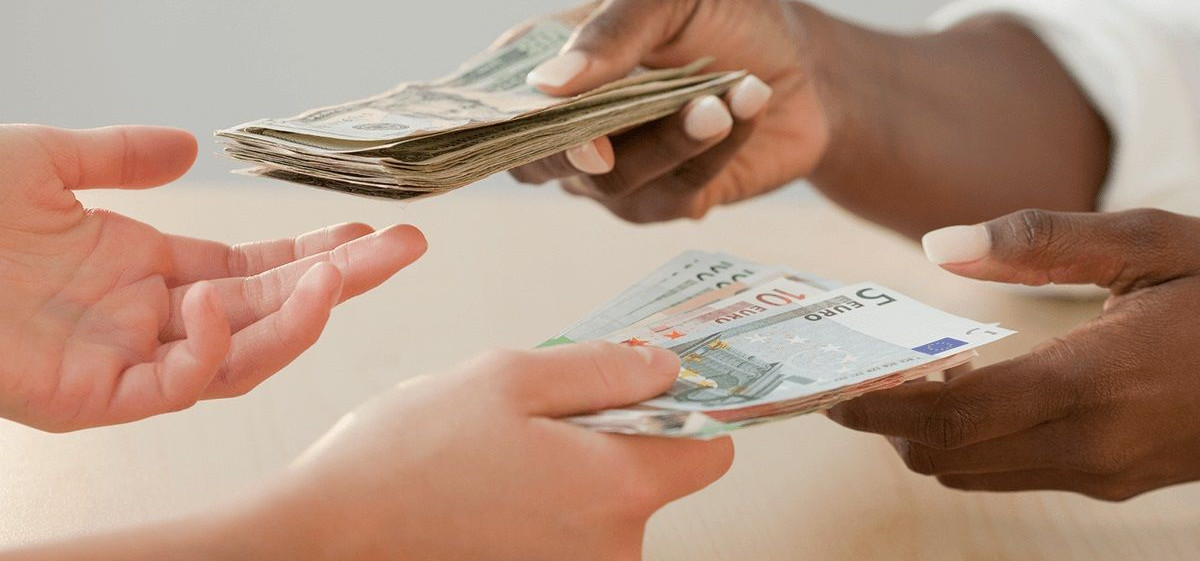
Pros, Cons & Smarter Alternatives (2026 Guide)
When planning a trip to Europe, one common question travelers face is whether to exchange currency before departure or wait until arrival. The right decision depends on convenience, cost, and how you plan to spend during your trip.
Read the blog to get information about the advantages, disadvantages, and modern alternatives to help you make an informed choice.
Benefits of Exchanging Money Before Travel
1. Instant Availability of Cash
Having cash in your hand instantly means that you will be able to:
Pay for taxis, tips, and small expenses.
You don't have to look for ATMs after a long journey.
Deal with any emergencies.
2. Convenience & Efficiency
If you pre-change money, there is no need to
Look for exchange counters in airports.
Wait in the queue
Struggle with unknown processes.
3. Ability to Compare Rates in Advance
You can research and compare:
Exchange rates
Commission fees
Service charges
Note: It helps you to choose a provider offering better value before travelling.
Please watch the video given below to learn more:
4. Locking in Exchange Rates
If you expect the euro to strengthen, exchanging early allows you to:
Secure a favorable rate.
Skip potential currency fluctuations.
Disadvantages of Exchanging Money Before Travel
1. Higher Costs & Weaker Rates
Currency exchange providers often:
Add margins to the mid-market rate.
Charge service or commission fees
Note: Pre-exchange cash can be more expensive than withdrawing locally.
2. Exchange Rate Risk
If the euro weakens after your exchange:
You may lose value compared to later rates
Your travel budget becomes less efficient
3. Security Risks of Carrying Cash
Carrying large amounts of cash increases the risk of the following:
Theft or loss
Damage
Misplacement
4. Difficulty Converting Leftover Currency
After your trip:
Converting euros back may involve additional fees
Exchange rates may be unfavorable
Smarter Alternatives in 2026
Modern travellers often rely on digital and card-based solutions instead of carrying large amounts of cash.
Travel Cards (Forex Cards)
Load multiple currencies in advance
Lock exchange rates
Widely accepted across Europe
Load multiple currencies in advance
Lock exchange rates
Widely accepted across Europe
Debit/Credit Cards
Competitive exchange rates
Easy tracking of expenses
Accepted in most cities and tourist areas
Competitive exchange rates
Easy tracking of expenses
Accepted in most cities and tourist areas
Digital Wallets
Apps like Apple Pay and Google Pay allow the following:
Contactless payments
Secure transactions
Reduced need for physical cash
Best Strategy for Travelers
A balanced approach works best:
Carry a small amount of euros before departure
Use cards or digital wallets for most transactions
Withdraw cash locally if needed
Notes: This strategy combines convenience, security, and cost efficiency.
How Much Cash Should You Carry to Europe?
The quantity of cash one would require during a visit to Europe varies depending on where one goes, how one travels, and whether one has cards or any other payment methods. The fact is that in most of the big cities in Europe, cards are widely accepted for hotels, restaurants, travel, shopping, and many other daily transactions; hence, one does not require carrying a huge quantity of cash. However, it is advisable to carry some money in euros for use on small purchases, transportation, or situations when one cannot use a card. It is important to note that people who travel to Europe are advised to always carry as much cash as required because lost or stolen cash is almost impossible to get back. People travelling to Europe are also advised to separate their cash from the main wallet and keep some other means of paying, like a card. It should be noted that in some countries of Europe people do not use the euro; hence, one must find out what the local currency is before carrying cash.
How to Reduce Currency Conversion Costs
Currency conversion costs have been known to significantly affect one's budget, especially when frequent small transactions are made. It is always wise before travelling to find out whether your debit or credit card has any foreign transaction fee, ATM withdrawal fees, or any other fee related to the transaction. Although some of your debit/credit cards may give you a competitive exchange rate, there are chances of having other hidden charges related to the transaction. During the transaction, you will be asked by your card company or ATM whether you want to pay in the home currency or local currency. In most cases, payment in the local currency leaves your card provider with the job of conversion of currency, whereas you accept the currency conversion rate of the merchant/ATM in case of home currency.
Money Management Idea for a Trip to Europe
A smart money management technique for your upcoming trip to Europe can enable you to maintain the optimal balance of convenience, safety, and affordability. You will be able to figure out which currencies will be used by all the destinations that you plan to visit and roughly calculate the necessary amount of cash for the first days of the trip. You should bring some physical cash but then pay by means of a proper debit, credit, travel, or digital wallet card in most cases. It makes sense to carry another backup payment card in case your first card becomes unusable. Travellers need to alert the issuer of their card about travelling abroad where necessary and learn about spending limits. Mobile banking is an excellent tool to control your expenses in real-time. If you have unused foreign currency after your trip, you need to evaluate the possibility of using it during your next travels before exchanging it for another currency, since frequent exchanges are costly.
Final Thoughts
Exchanging currency before travelling to Europe is not always necessary, but it can provide peace of mind for initial expenses.
However, with modern payment solutions offering better rates and convenience, relying entirely on cash is no longer the most efficient approach.
Notes: In 2026, the smartest travellers combine minimal cash with digital payment methods to maximise flexibility and reduce costs.
Click to get in touch with us to receive a customized quote.
#currencyexchange #eurotrip #traveltips #travelmoney #forexguide #internationaltravel #travelbudgeting #forexcard #digitalpayments #moneysavingtips #travelplanning #europefinance