+44
2039 362224
+44
2039 362224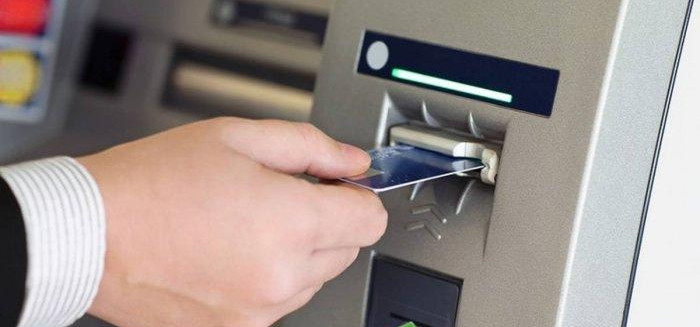
Yes, you can use your HSBC debit card overseas, but you need to enable international usage before you travel. This ensures your transactions are secure and authorized when used outside your home country.
Before traveling, it is recommended to activate international access through:
HSBC Mobile Banking App
An HSBC branch visit
Internet Banking secure message service
Where Can You Use Your HSBC Debit Card Abroad?
After activation is done, you can use your HSBC debit card globally at the following locations:
Visa and Mastercard merchant outlets
ATMs within the HSBC network
International payment terminals supporting your card network
You can also withdraw local currency from supported ATMs, subject to daily withdrawal limits and foreign transaction rules.
Fees for Using HSBC Debit Card Overseas
Depending on the account that you hold, there could be additional costs for using your HSBC debit card overseas:
A foreign currency transaction charge (usually 2.75% for debit cards)
Withdrawal fees at ATMs (fees will vary per country/ATM network)
Additional fees for currency conversion from payment networks
If you have an HSBC Global Money Account, you may benefit from reduced or zero HSBC fees on international spending, although third-party ATM fees may still apply.
Please watch the video given below to learn more:
How to Manage International Usage
HSBC allows you to control your card settings easily through digital banking:
Set or increase international spending limits
Enable or disable overseas usage whenever you need it
Monitor real-time transactions using the mobile app
It is helpful for better security while traveling.
Important Tips for Using an HSBC Card Abroad
Always activate international usage before departure
Inform HSBC if you are travelling to avoid transaction blocks
Check ATM fees in the destination country
Carry a backup payment method for emergencies
Can You Use Your HSBC Debit Card for Purchases Abroad?
The HSBC debit card can usually be used for general purchases in foreign countries, provided that the network the card is affiliated with is accepted there. You can use this payment method at restaurants, hotels, grocery stores, shopping centers, transport services, online stores, and other establishments that accept card payments from other countries. Before travelling, make sure your HSBC debit card can be used abroad and that you have enough money in your account. When making a purchase abroad, the merchant or terminal may ask whether you want to pay in local currency or your home currency. In many cases, it is better to select local currency, since the card network or your bank will perform the conversion instead of the merchant through dynamic currency conversion. Moreover, monitor your transactions using HSBC Online Banking to detect any unusual payments made to your card. The contactless payment method may be accepted in those countries where such payment technology is available, although different countries have different limits and requirements regarding contactless payments.
Can You Withdraw Cash With an HSBC Debit Card Overseas?
In addition to the above uses of an HSBC debit card, an HSBC debit card can be used to withdraw cash abroad at a number of selected ATMs in case you have an account and a card supporting international cash withdrawal. There may be limitations on withdrawing money abroad, such as insufficient balance, daily withdrawal limits, local ATM availability, and the ATM operator's policy. One of the expenses of using an international cash withdrawal includes the presence of more than one fee that is applied for an international cash withdrawal. HSBC itself applies some kind of fee or foreign currency charge, and the fee of the ATM operator itself. Currency conversion is also included among possible expenses. Therefore, before proceeding with the process of cash withdrawal, you should study the information displayed at the machine and be careful with possible dynamic currency conversion. You will be asked whether you would like to have your transaction converted into your home currency. Checking the information on the exchange rate and fees associated with this operation will help to save money. Furthermore, you should avoid making very large withdrawals since handling large sums of money poses a threat to the security of your possessions. In cases where card payments are widely accepted, using a debit card is preferable to repeatedly withdrawing money.
What Should You Do If Your HSBC Card Is Declined Abroad?
First, don't assume your HSBC card has stopped working if a transaction is declined abroad. The reasons for a declined transaction may vary: insufficient funds, an incorrect PIN, issues with the offline payment terminal, ATM limits, security verification, certain limits, or other problems with the merchant's payment network. First, check your HSBC mobile banking account for any notifications or restrictions on your card. If you have any transaction issues, contact HSBC directly to find out whether your transaction was blocked for security reasons. It is advisable to take an extra payment tool while travelling because international payment problems can come up unexpectedly. In addition, keep your bank's contact information separate from your wallet in case your card is lost abroad. In case your card is lost abroad, contact HSBC
How to Reduce HSBC Debit Card Costs Overseas
It may be worthwhile to plan your expenses before you travel to avoid unnecessary foreign transactions. First, take some time to understand what exactly the overseas charges will be on your HSBC account instead of depending on vague information, as they vary from account to account. Then, where possible, see whether it would be cheaper to use cash than your HSBC card abroad. The more often you withdraw cash, the higher the chances are that this will prove to be more expensive than using your card. Moreover, it may be wise to look at the conversion information when the terminal offers you the option to pay in your native currency or in the local one. Oftentimes, the latter allows you to skip the currency conversion by the merchant, although the cost of the transaction will depend on its specific circumstances and terms. Finally, monitor your account while travelling so that you can find out about any suspicious expenses, if there are any. Having notifications on can be helpful in this case. Also, make sure your card is not going to reach its spending or withdrawal limit while abroad and bring another payment instrument just in case.
Final Thought
Using an HSBC debit card internationally is possible, but you must know how to activate it and understand the fees. With the right setup, it becomes a convenient and secure payment method for global travel, shopping, and cash withdrawals.
Click to get in touch with us to receive a customized quote.
#hsbcdcard #hsbcuk #internationaldebitcard #overseasbanking #globalpayments #travelmoney #foreigntransactionfees #ukbanking #hsbcglobalmoney #atmabroad #travelcardtips #currencyexchange #bankingabroad #moneyabroad #financetips2026